Tullio De Piscopo: Interplay, Emozioni e Sangue nella Musica a 80 Anni
Il leggendario batterista e percussionista napoletano, Tullio De Piscopo, ha compiuto 80 anni e celebra questo traguardo con un nuovo box set e un tour. Rolling Stone Italia ha pubblicato una intensa intervista in cui De Piscopo parla a cuore aperto del suo approccio alla musica, delle sue passioni, dei suoi dolori e della sua visione del futuro.
L'Arte dell'Interplay e l'Orrore per la Chiavetta USB
Uno dei concetti chiave espressi da Tullio De Piscopo è l'importanza dell'interplay, ovvero l'interazione musicale spontanea e creativa tra i musicisti. De Piscopo rifugge le collaborazioni a distanza, quelle realizzate attraverso la tecnologia e lo scambio di file digitali. La sua celebre frase «Nun ce trase ’a batteria ’ncoppa ’a chiavetta!» (Non ci entra la batteria sulla chiavetta!) riassume perfettamente il suo pensiero: la musica, quella vera, nasce dall'incontro fisico, dall'energia condivisa, dalla capacità di ascoltarsi e di reagire reciprocamente.
Per De Piscopo, la tecnologia può essere uno strumento utile, ma non deve sostituire l'elemento umano e l'energia che si crea quando i musicisti suonano insieme nella stessa stanza. Questa visione, radicata in una profonda conoscenza della storia della musica e in una lunga esperienza sul campo, lo rende un custode di un'arte che rischia di perdersi nell'era digitale.
Il Dolore per la Perdita e la Forza della Musica
L'intervista non elude temi dolorosi come la morte del fratello di Tullio De Piscopo. Questi momenti difficili hanno segnato profondamente la sua vita e la sua musica, conferendole una profondità emotiva ancora maggiore. La musica, per De Piscopo, è un modo per elaborare il dolore, per trasformare le esperienze negative in qualcosa di positivo, per celebrare la vita nonostante le difficoltà.
In questo senso, il suo percorso artistico può essere visto come una continua ricerca di significato, una costante sfida a superare i propri limiti e a esprimere le proprie emozioni attraverso il linguaggio universale della musica. La sua passione è palpabile in ogni parola, in ogni gesto, in ogni suono.
80 Anni di Musica: Un Box Set e un Tour
La celebrazione degli 80 anni di Tullio De Piscopo è un omaggio a una carriera straordinaria, costellata di successi, di collaborazioni prestigiose e di momenti indimenticabili. Il box set raccoglie alcuni dei suoi brani più significativi, offrendo un panorama completo della sua evoluzione artistica. Il tour, invece, è un'occasione per rivivere dal vivo l'energia e la passione che lo contraddistinguono.
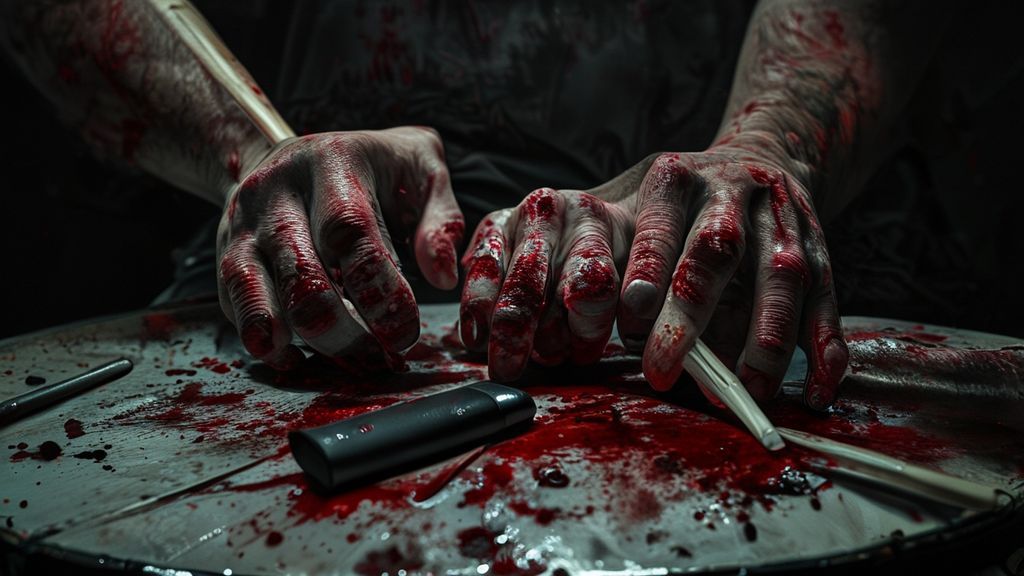
Ma cosa riserva il futuro a Tullio De Piscopo? Alla domanda sull'ultimo tour, risponde con un enigmatico «Nun ’o saccio» (Non lo so). Questa incertezza, lungi dall'essere un segno di resa, sembra piuttosto rivelare una volontà di restare aperti alle sorprese, di continuare a sperimentare e a reinventarsi, di non smettere mai di cercare nuove sfide. Perché, come dice lui stesso, «la musica ha bisogno di sangue sulle mani».
La Musica che Richiede Sacrificio e Passione
L'affermazione di Tullio De Piscopo, «la musica ha bisogno di sangue sulle mani», non va interpretata letteralmente, ma come una metafora della passione, del sacrificio e dell'impegno che la musica richiede. Significa che per fare musica di qualità bisogna dedicarsi anima e corpo, bisogna mettere in gioco le proprie emozioni, bisogna essere disposti a soffrire e a lottare per raggiungere i propri obiettivi.
Questa visione della musica come un'arte che richiede un coinvolgimento totale si contrappone alla superficialità e alla standardizzazione che spesso caratterizzano l'industria musicale contemporanea. De Piscopo invita i giovani musicisti a riscoprire il valore del lavoro artigianale, dell'improvvisazione, dell'interplay, a non accontentarsi di imitare i modelli esistenti, ma a cercare la propria voce, il proprio stile, la propria identità.
Un Esempio di Integrità Artistica
Tullio De Piscopo rappresenta un esempio di integrità artistica e di coerenza. La sua musica è il riflesso della sua personalità, del suo carattere, delle sue esperienze. Non ha mai ceduto alle lusinghe del successo facile, non ha mai tradito i suoi ideali, non ha mai smesso di credere nel potere della musica di cambiare il mondo.
La sua storia è un'ispirazione per tutti coloro che amano la musica e che credono nel valore dell'arte come strumento di espressione, di comunicazione e di crescita personale. Ascoltare la sua musica e leggere le sue parole è un'opportunità per riflettere sul significato della vita, sul rapporto tra arte e realtà, sulla bellezza e sulla sofferenza che sono intrinsecamente legate all'esperienza umana.
- Interplay e la sua importanza
- Critica alle collaborazioni a distanza
- La musica come elaborazione del dolore
- Celebrazione degli 80 anni con un box set e un tour
- La musica che richiede sacrificio e passione
Fonte originale: Vai alla Fonte Ufficiale